

VERVE-102 is intended to reduce LDL-C in patients with heterozygous familial hypercholesterolemia or premature coronary artery disease.
VERVE-102 is intended to reduce LDL-C in patients with heterozygous familial hypercholesterolemia or premature coronary artery disease.
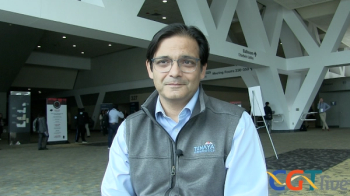
The chief executive officer of Tenaya Therapeutics discussed the company’s research on capsids, promoters, and manufacturing improvements.
High dose MCO-010 yielded statistically significant improvements in BCVA and MLSDT at week 52.
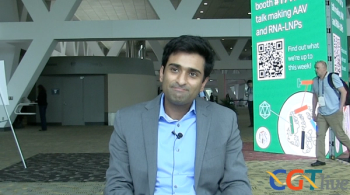
The cofounder, chairman, and CEO of Kriya Therapeutics discussed the company’s goal of bringing gene therapy to a much broader population of patients.
The trial is set to dose its second cohort following a positive DSMB recommendation in March.
The Howard Hughes Investigator at the University of Iowa discussed his mouse model research into the pathophysiology of muscular dystrophy and how it relates to gene therapy approaches.

Catch up on any of the key data updates you may have missed last month, with coverage highlights from the CGTLive™ team.
Updated data including a sixth patient and longer follow-up was presented at ASGCT’s 2024 Meeting.

The research trainee at Brigham and Women’s Hospital discussed developing RNA constructs to aid with RNA interference.
The senior vice president of genetic medicines at Syneos Health discussed the importance of end-to-end thinking and collaboration when bringing gene therapies from development to the market.

All 139 tumors screened had enhanced expression of CCNG1, a seldom-recorded gene on NGS.
The medical doctor and scientist at Bambino Gesù Chidren’s Hospital discussed phase 1/2 clinical trial data she presented at ASGCT’s 2024 Meeting.
Review top news and interview highlights from the week ending May 10, 2024.

In observance of World Lupus Day, held annually on May 10, we took a look back at a year of progress in bringing CAR-T to this autoimmune disease.

The gene therapy is up for priority review with a PDUFA date of June 21, 2024.

In terms of safety, NGGT001 was deemed well-tolerated.
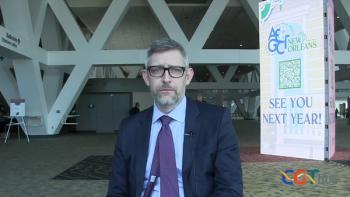
The medical director of clinical development at AskBio discussed safety and efficacy data from a phase 1 trial of AB-1002.

The DSMB recommended proceeding to dose the highest dose cohort in the phase 1/2 PRODYGY study.
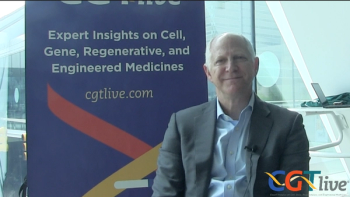
The chair of the Department of Otolaryngology—Head and Neck Surgery at Columbia University College of Physicians discussed the phase 1/2 CHORD clinical trial evaluating DB-OTO.
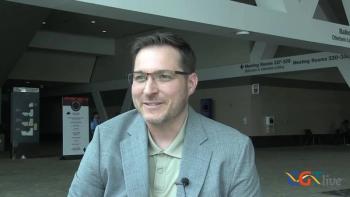
The associate investigator of neurology at Massachusetts General Hospital discussed research on extracellular vesicle-associated AAVs presented at ASGCT.

Catch up on the latest news, breakthroughs, and announcements from biotechnology companies making advancements in cell and gene therapies.

MELPIDA was well-tolerated in patients and nerve conduction was stable or improved after treatment.
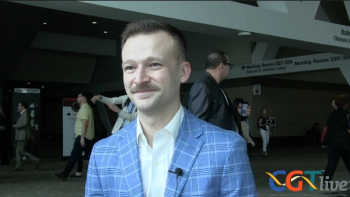
The research scientist at Seattle Children's Research Institute discussed mouse model research he presented at ASGCT’s 2024 Meeting.

In response to the death, Pfizer is pausing dosing associated with the crossover portion of the phase 3 CIFFREO trial.

KL003 favorably compares to platelet and neutrophil recovery rates of approved gene therapies.
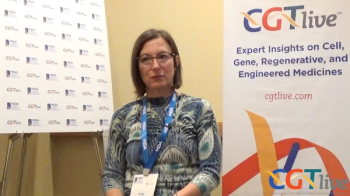
The senior research scientist at RTI International discussed how patient preference studies can help patients with rare diseases have their voices heard.
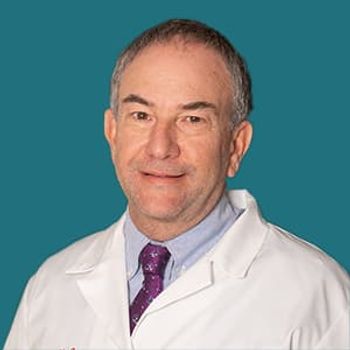
Lovo-cel was approved as Lyfgenia in December 2023.
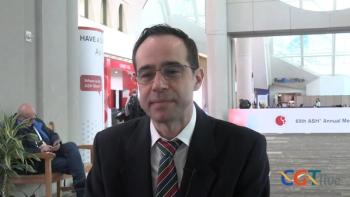
The professor of medicine at Baylor College of Medicine discussed research with NK-T cells and alternatives to αβ T-cells.

The first patient in the trial, which is evaluating NTLA-2001 for the treatment of ATTR Amyloidosis, was enrolled at MedStar Washington Hospital Center.
The company anticipates that initial data from the study will be announced next year.