
AlloNK is being administered in the trial alone or alongside 1 of 2 antiCD20 monoclonal antibodies: rituximab or obinutuzumab.
AlloNK is being administered in the trial alone or alongside 1 of 2 antiCD20 monoclonal antibodies: rituximab or obinutuzumab.
The professor from Cedars Sinai discussed data he is anticipating from further investigations into lifileucel.

The company expects to open the first clinical site in the DOSED study in the second quarter of 2024.
The President Elect of ASGCT and a distinguished professor of microbiology at Keck School of Medicine of USC also discussed recent milestones in gene therapy.

Catch up on the latest news, breakthroughs, and announcements from biotechnology companies making advancements in cell and gene therapies.
A case study previously described successful immune modulation with AgenT-797 in a patient with high-risk gastric cancer leading to a partial response.
The lead scientist at Percheron Therapeutics discussed a phase 2 blinded study of ATL1102 being conducted in the Europe and Australia.
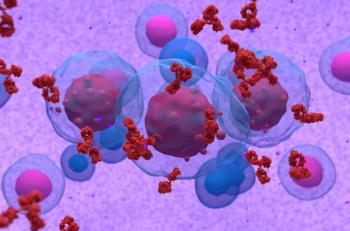
The EC’s decision comes several weeks after the FDA approved cilta-cel for a similar expanded indication.

The Assistant Professor of Medicine at Weill Cornell Medical College discussed the changing cell transplant landscape.
The principal investigator at the Gene Therapy Program of Dana-Farber/Boston Children’s Cancer and Blood Disorder Center discussed innovative uses of gene editing technology.

The FDA is allowing a small, single-arm study to support a BLA submission of ST-290, if Sangamo can find help to continue developing the therapy.

The FDA is requesting more CMC information, specifically with regard to validation requirements for specific manufacturing and release testing methods.

The results come from the randomized, double-masked, placebo-controlled phase 3 REFLECT clinical trial (NCT03293524).

Acepodia is also evaluating a CD20-targeted γδ2T-cell therapy in patients with non-Hodgkin lymphoma.

The attending physician and assistant member of bone marrow transplantation and cellular therapy at St Jude Children’s Research Hospital also discussed hurdles to accessibility for SCD gene therapy.

At the 90 day timepoint, the patient showed improvements in swallowing compared to their own natural history data, as measured by videofluoroscopic swallowing studies.
The associate professor of dermatology at Stanford University discussed how the May 2023 approval of B-VEC may shift the treatment field for RDEB.
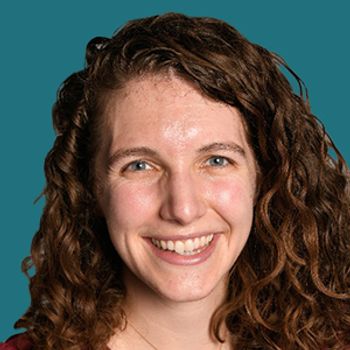
Alexis Kuhn, PharmD, BCOP, a pediatric oncology pharmacist at Mayo Clinic, discussed the incorporation of the recently FDA-approved gene therapies for SCD and TDT into the work of pharmacists.
The medical director of the UCLA Bone Marrow Transplantation Stem Cell Processing Center discussed results from a phase 1b trial for allo-HCT alternative Orca-T that he presented at Tandem’s 2024 conference.
Review top news and interview highlights from the week ending April 19, 2024.
The FDA has requested that black box warnings related to secondary cancer risks be added to all 6 CAR-T therapies currently on the market.

Nanoscope Therapeutics received feedback from the FDA endorsing significant change in BCVA as a primary endpoint supporting approval.
The postdoctoral scholar at University of California – Irvine discussed research aiming to link genetic variants and neurodegeneration.
The 3 new clinical trials will take place in the United States and are intended to increase the amount of accumulated data supporting the use of Adstiladrin in NMIBC.
Data from a meta-analysis of 3 groups of patients were presented at AAN 2024.
The infectious diseases specialist at Memorial Sloan Kettering Cancer Center discussed the session she chaired for the Infectious Diseases Track at Tandem’s 2024 Meeting.

For World Hemophilia Day, CGTLive takes a look at how the hemophilia field has adapted to the introduction of gene therapy to the treatment landscape.
Catch up on the latest news, breakthroughs, and announcements from biotechnology companies making advancements in cell and gene therapies.

Aimee C. Talleur, MD, a physician at St. Jude Children’s Research Hospital, discussed obstacles to understanding late effects of CAR-T.

An interim analysis of a phase 1/2 study suggest the REGENXBIO therapy also showed efficacy signals.