
The vice chair for cellular therapies at Roswell Park Comprehensive Cancer Center discussed new research from the center presented at the 2023 Tandem Meetings.
The vice chair for cellular therapies at Roswell Park Comprehensive Cancer Center discussed new research from the center presented at the 2023 Tandem Meetings.
4D Molecular Therapeutics’ 4D-310 effected clinically meaningful improvements in left ventricular function, exercise capacity, and quality of life.
All dose-escalation patients withdrew from enzyme replacement therapy (ERT) and remain off ERT.
The MD, PhD candidate at Baylor College of Medicine discussed findings from a new study presented at the 2023 Tandem Meetings.
Ultragenyx’s self-complementary AAV9-based gene therapy reduced levels of relevant CSF biomarkers, as well as improvements in neurocognitive assessments and behavioral domains, among patients without neurodegeneration.
The assistant professor of BMT and cellular therapy discussed updated safety and efficacy data on CD22 CAR T-cell therapy.
Patients who received the high dose of PBGM01 showed an increase in β-Gal activity in the CSF of 4.7 to 5.2 times baseline.
Most treated participants were within 2 SDs of normative mean in acquiring cognition, expressive language and fine motor skills.
Interim data from the phase 1/2 CAMPSIITE trial were presented at WORLDSymposium 2023.
Al-Zaidy, the vice president of clinical development and lead on the GM1 Program at Passage Bio, discussed the results of the phase 1/2 Imagine-01 clinical trial of PBGM01.
Long term data from 2 clinical trials and expanded access programs were presented at WORLDSymposium 2023.
The patient has not re-started any of his previous Gaucher-specific therapy since receiving AVR-RD-02.
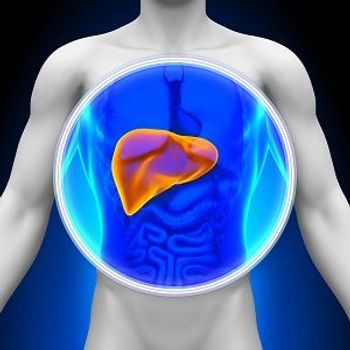
Two patients treated with AVR-RD-02 showed clinically meaningful reductions in liver size.
FBX-101 showed promising efficacy and has been well-tolerated so far in the RESKUE trial.
The assistant professor of medicine and pediatrics at Stanford University discussed updated data from 2 studies of Orca-T cell therapy.
The professor medicine and pediatrics at Washington University in St. Louis overviewed data from the SPEARHEAD-1 trial of afami-cel.
By 3 months, 12 of 17 patients treated with a full cycle of EG-70 achieved a complete response.
The assistant professor of medicine at Vanderbilt University Medical Center discussed results from a retrospective analysis presented at the 2023 Tandem Meetings.
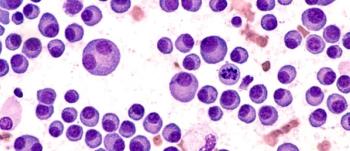
It was found that ctDNA levels at 28 days post-treatment were significantly higher for patients who ultimately progressed by 90 days post-treatment.
The assistant professor of medicine, bone marrow transplantation and cellular therapy, Stanford, discussed favorable data from a real-world experience study.
The hematologist/oncologist at Cincinnati Children’s discussed unfavorable outcomes with tisa-cel reinfusion in patients with B-cell acute lymphocytic leukemia.
Median PFS was 13.3 months in the ide-cel arm, compared to 4.4 months for the SOC arm.
The locum consultant of pediatric BMT and leukemia at Royal Manchester Children’s Hospital discussed the limited distribution model of arsa-cel in Europe.
Patients with large B-cell lymphoma had an ORR of 68% and a CR rate of 53%.
No adverse events related to RP-L201 have been reported to date.
Among the 14 patients with relapsed/refractory mantle cell lymphoma who were treated with LV20.19 CAR in the trial, the overall response at 28 days post-treatment was 100%.
The associate professor of medicine at Medical College of Wisconsin discussed trials assessing the dual, CD19/CD20-targeting CAR T therapy.
Neither patient treated with RP-L301 required RBC transfusions at any point post-engraftment.
The associate professor of medicine from University of Pennsylvania discussed advantages of huCART19-IL18 in NHL and CLL.
The associate attending physician at Memorial Sloan Kettering Cancer Center discussed further research that remains to be conducted with the allogeneic cell therapy.