
The vice president of neuroscience at Voyager Therapeutics shared preclinical data on the company’s AAV-delivered RNA interference therapy, VY-1706.
The vice president of neuroscience at Voyager Therapeutics shared preclinical data on the company’s AAV-delivered RNA interference therapy, VY-1706.
Sven Moller-Tank, PhD, a senior director at Regeneron, also discussed his thoughts on trends in the gene therapy field in general.
Sven Moller-Tank, PhD, a senior director at Regeneron discussed the company’s receptor-driven approach to AAV targeting, leveraging antibody engineering to enhance tissue specificity and reduce off-target effects.
The senior director at Regeneron discussed the company’s receptor-driven approach to AAV targeting, leveraging antibody engineering to enhance tissue specificity and reduce off-target effects.
Nathan Yozwiak, PhD, the head of research at the Gene and Cell Therapy Institute at Mass General Brigham, discussed the Institute’s efforts to bring about clinical translation of preclinical work.
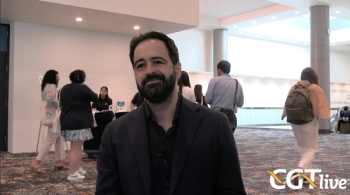
The head of research at Mass General Brigham’s Gene and Cell Therapy Institute discussed the Institute’s efforts to bring about clinical translation of preclinical work.
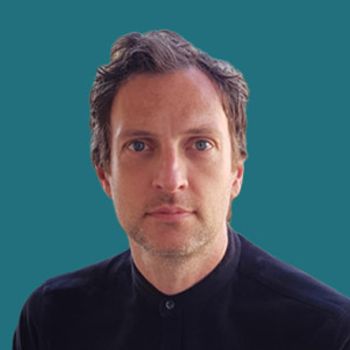
Derek Jackson, BS, MA, and Kilian Guse, PhD, of Pacira Biosciences, discussed the company’s symposium at ASGCT 2025.
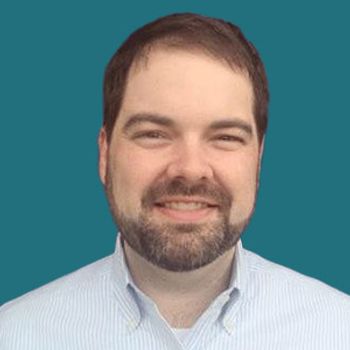
Derek Jackson, BS, MA, the vice president of cell & gene therapy product development at Pacira BioSciences, discussed findings related to the immunogenicity of the therapy’s high-capacity adenovirus vector.

The vice president of cell & gene therapy product development and the vice president of genetic medicine platforms at Pacira discussed the company’s symposium at ASGCT 2025.

The vice president of cell & gene therapy product development at Pacira BioSciences discussed findings related to the immunogenicity of the therapy’s high-capacity adenovirus vector.
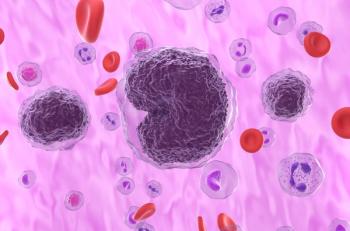
The 3 FDA-approved CAR T-cell therapies showed comparable survival outcomes in DLBCL over a 3-year period.
Peter Cook, PhD, a senior research scientist at Seattle Children’s Research Institute, discussed preclinical work on using dimerizing agent-regulated immune-receptor complex T-cells to target plasma cells.
Brian Kim, MBA, the chief executive officer of Mission Bio, also discussed the company’s plans for collaboration.
The patients also showed cessation of severe hypoglycemia events and hit recommended glycemic control targets.
Brian Kim, MBA, the chief executive officer of Mission Bio, discussed the company’s single cell assay platform in the context of the broader developing field cell and gene therapy field.
The hematologist at the Hematology and Stem Cell Transplants Unit of Fondazione Policlinico Universitario A. Gemelli IRCCS in Rome discussed a study on the effect of comorbidities in patients receiving CAR-T.
Beam Therapeutics’ team provided insight on data the company presented at EHA's 2025 Congress.
Matthew Ku, MBBS, FRACP, RACP, FRCPA/RCPA, PhD, an associate professor and the lymphoma stream lead at St Vincent’s Hospital, discussed data from a phase 1b trial.
The head of the clinical development program at Galapagos discussed the company's data presented at EHA's 2025 Congress.
The associate professor and the lymphoma stream lead at St Vincent’s Hospital, discussed data from a phase 1b trial for the CD19/CD20–directed bispecific CAR-T.
Saurabh Dahiya, MD, FACP, an associate professor of medicine at Stanford University School of Medicine, discussed safety and efficacy data from a phase 1 trial for Kite's CD19/CD20-directed CAR-T.
The associate professor of medicine at Stanford University School of Medicine discussed safety and efficacy data from a study presented at EHA's 2025 congress.
The overall response rate for the 11 treated patients was 72.7% at 3 months posttreatment.
The study included 3 boys and 6 girls who were treated with gene therapy for TDT at 5 to 16 years of age.
The data, from a study of 15 patients, were presented at EHA’s 2025 Congress.
The internal medicine resident at SUNY Upstate Medical University Hospital discussed the implications of findings from a deidentified database of EMR data.

The principal scientist at Bristol Myers Squibb discussed a biomarker analysis she presented at ASCO's 2025 meeting.
The hematologist/oncologist at the Cleveland Clinic discussed next steps after early promising results were presented at ASCO’s 2025 meeting.
Manali Kamdar, MD, the associate professor of medicine–hematology and clinical director of lymphoma services at the University of Colorado, discussed the implications of a large scale analysis of liso-cel recipients.
The associate professor of medicine–hematology and clinical director of lymphoma services at the University of Colorado discussed the implications of a large scale analysis of liso-cel recipients.